Confused about Making Tax Digital? Learn what MTD means, who it affects now, what changes in 2026 and 2027, and how to prepare with less stress.
Making Tax Digital does not need to be overwhelming
If you have heard the words Making Tax Digital and immediately felt a bit uneasy, you are not alone.
For many business owners, landlords, and sole traders, it sounds like more admin, more pressure, and more chances to get something wrong. In reality, once the right system is in place, Making Tax Digital often makes life easier, not harder.
At its core, MTD is about keeping digital records and sending tax information to HMRC through compatible software. It is already in place for VAT, and MTD for Income Tax starts in April 2026 for many sole traders and landlords.
What is Making Tax Digital?
Making Tax Digital, or MTD, is HMRC’s plan to modernise the tax system.
Instead of pulling together a year’s worth of paperwork in one stressful rush, you keep digital records as you go. Those records are then used to submit updates through MTD-compatible software.
The aim is to make tax reporting more accurate, more efficient, and less reliant on last-minute manual admin.
Who does Making Tax Digital affect?
MTD for VAT
MTD for VAT has applied to all VAT-registered businesses since 1 April 2022, regardless of turnover.
That means if your business is VAT registered, including voluntary registration, you must keep digital records and submit VAT returns using compatible software.
MTD for Income Tax
From April 2026, MTD for Income Tax will apply to:
- Sole traders
- Landlords
This applies where the total qualifying income is over £50,000 per year.
From April 2027, the threshold is due to reduce to over £30,000 per year, bringing many more people into its scope.
Over time, HMRC’s direction of travel is clear. Making Tax Digital is expected to expand further, and eventually most businesses and individuals with qualifying income are likely to need to comply.
If you are self-employed or receive rental income, now is the right time to start preparing.
What changes under Making Tax Digital?
The biggest change is not your tax bill or your deadlines. It is the way you keep records and submit information.
Under MTD, you need to:
- Keep digital records of income and expenses
- Use MTD-compatible software
- Submit updates through that software rather than older manual methods
For VAT-registered businesses, the filing deadlines stay the same.
For Income Tax, eligible sole traders and landlords will need to submit quarterly updates and a final year-end statement.
That might sound like more work, but for most people it is simply a more regular way of doing the same record-keeping they should already be doing.
Why MTD is often easier than expected
A lot of the worry around Making Tax Digital comes from how it sounds.
Phrases like quarterly updates and digital record-keeping can make it feel technical and time-consuming. In practice, good software can automate a lot of the process.
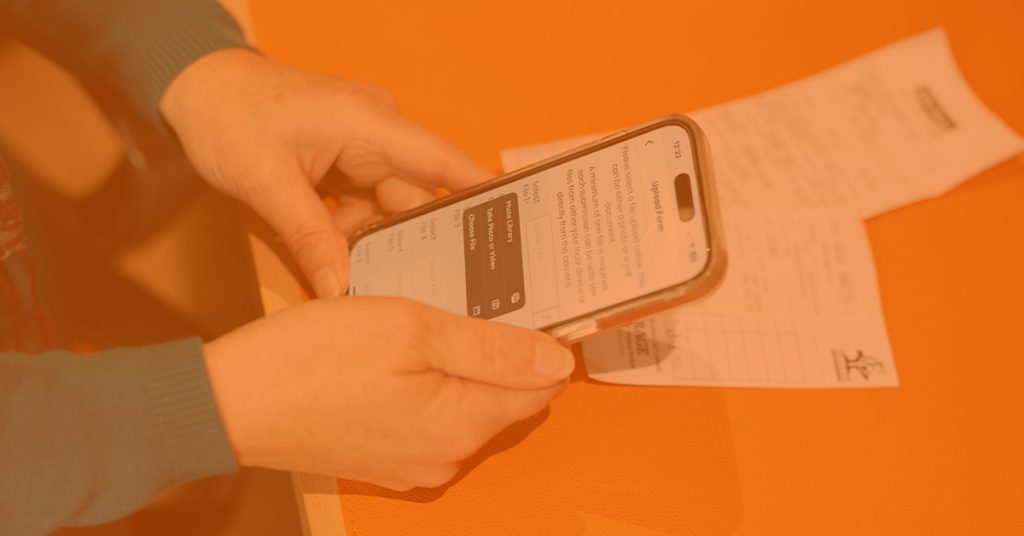
Bank feeds, receipt capture, and live transaction tracking mean less manual input and fewer surprises when deadlines come around.
Instead of trying to rebuild a whole year from scraps of paperwork, you stay on top of things little by little.
Brief case studies
Sarah, self-employed gardener
When Sarah first heard about MTD for Income Tax, her heart sank. She was already stretched trying to keep her business running, and the idea of more deadlines and more admin felt like too much.
Once she had the right software in place, the pressure started to lift. Her income and expenses were all in one place, she felt more in control, and tax deadlines no longer came with the same last-minute panic.
James, landlord
When James heard about MTD for Income Tax, he felt stressed almost straight away. He was used to sorting everything once a year, so quarterly updates made it sound like tax would always be hanging over him.
After moving to a simple digital system, it felt much more manageable. His rental income and expenses were already tracked, he had a clearer picture of what he owed, and tax stopped feeling like a constant worry in the background.
What software do you need for MTD?
There is no single best option for everyone.
Some businesses prefer Xero. Others use QuickBooks, FreeAgent, or simpler tools designed for sole traders and landlords.
The right software should:
- Be MTD compliant
- Suit the way your business works
- Feel manageable for you to use day to day
The goal is not to make things more complicated. It is to make them smoother.
How to prepare for MTD now
If MTD is likely to affect you, the best thing you can do is start early.
A few practical steps include:
- Check whether MTD already applies to you or will soon
- Review how you currently keep records
- Choose software that fits your business
- Get support with setup if you are unsure
- Start building the habit of keeping records up to date
Leaving it until the last minute is what usually causes stress.
Need help with Making Tax Digital?
At The Paperwork Team, we help sole traders, landlords, and small businesses across the UK with bookkeeping, admin, and digital compliance.
If you want help choosing software, getting set up for MTD, or simply understanding what applies to you, we are here to help.
No jargon. No judgement. Just practical support that makes running your business easier.
Get in touch today and let us help you get sorted.